
There are many principles and strategies that are available to be utilized to guide behavior plans. Each one has different aspects and offers unique benefits. I believe each teacher’s behavior plan should be individualized, as each teacher has their own expectations and each classroom their own needs.
One thing I most recently learned that stood out to me was the statement that we teach students if they do not know something, so why don’t we teach behavior? Teaching behavior is going to be the main guideline of my behavior plan.
In my future classroom, there are different characteristics that I would pull from the Positive Behavior Interventions and Support (PBIS) and Conscious Discipline, as well as concepts taken from aspects of my teacher preparation courses.
PBIS has proven to be an effective management strategy within schools. The three tiered approach to provide emotional, social, and behavior support is my major take away from this framework. This system will be the core of the behavior plan in my classroom. To me, it is essential to support students in all of these ways. PBIS also really focuses on staying positive. I will use strategies to ensure that my classroom has a positive climate for all learners.
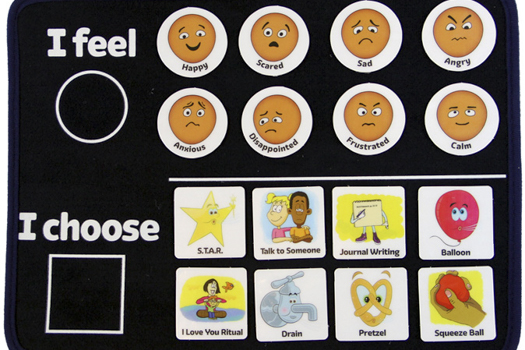
I also am going to pull aspects from conscious discipline into my classroom management plan. This is something that really targets the early childhood classroom. The seven skills of discipline: anger management, helpfulness, assertiveness, impulse control, cooperation, empathy, and problem solving are what I will incorporate. Below is a specific example of conscious discipline that I will use in my classroom. To me, this is essential, because it helps teach students to recognize how they are feeling and gives them options on how to work through their emotions.
There are also ideas from Colvin’s text Defusing Disruptive Behavior in the Classroom that will help guide my behavior management plan. For correction procedures, my goal is to redirect behavior. This point was brought up, and it can be more helpful, especially for future behaviors, to redirect undesired behavior to meet expectations rather than just point out the negative behavior. My attention and personal reactions are two things that I will be extremely attentive to in the classroom. Being aware of how these two aspects impact students will help guide my behavior plan as well. The last aspect of this is really being organized and keeping students informed. I must be sure all students understand my expectations, and I must teach them what I expect them to do in the classroom. It is also important that all direction in the classroom is clear and carefully planned.
Classroom management can be a difficult task, however, there are many available resources and strategies that can guide a behavior plan. In my classroom, my behavior plan will be based on teaching expected behaviors in a positive classroom environment. I will focus on using the 3 tiered model of behavior, emotional, and social support from PBIS. I will also use methods of conscious discipline to help students learn to self regulate behavior. I will redirect behavior, know the impact of my attention and personal reactions, be clear and planned, and help students learn my expectations of their behavior.
 Miss Alex’s Classroom
Really nice work!
LikeLike